

The measure of average human lifespan serves as one of the most reliable barometers for evaluating global progress, medical advancement, economic stability, and overall societal well-being. Over the last few decades, global demographic metrics have undergone dramatic transformations, reflecting profound shifts in public health policies, medical breakthroughs, sanitation, and living standards worldwide. A comprehensive analysis of national life expectancies reveals not only the remarkable resilience of human population metrics but also the deep structural disparities that divide regions across the world.
Understanding longevity trends requires a holistic approach that connects macro-level national economic output with micro-level community healthcare access. While developed nations continue to push the upper limits of human lifespan through cutting-edge medical technologies and advanced geriatric care, developing societies often struggle with basic healthcare infrastructure, communicable diseases, and environmental vulnerabilities. Examining these national life expectancy statistics offers indispensable insights for policy planners, healthcare administrators, international organizations, and global economists seeking to build a healthier and more equitable world.
Historical Trajectory and Global Longevity Shifts
The timeline of global longevity over the past century presents a story of unprecedented progress tempered by periodic crises. Understanding how modern figures were achieved requires reviewing the historical milestones that redefined mortality rates worldwide.
A. The Pre-Industrial Era and Baseline Longevity
Prior to the late nineteenth and early twentieth centuries, global human life expectancy remained static, hovering between thirty and forty years across nearly all continents. High infant mortality rates, recurrent epidemics of infectious diseases, unhygienic childbirth conditions, and minimal understanding of pathogens kept demographic growth constrained.
B. Mid-Century Sanitary and Medical Revolutions
The discovery of antibiotics, widespread immunization campaigns, clean water sanitation projects, and pasteurization techniques dramatically reduced early-childhood deaths between 1900 and 1970. This period laid the groundwork for rapid increases in global life expectancy, moving baseline population survival into higher age brackets.
C. The Transition to Non-Communicable Disease Management
In the late twentieth century, public health priorities shifted from controlling acute infectious outbreaks to managing chronic, non-communicable conditions such as cardiovascular diseases, metabolic disorders, and cancer. High-income nations pioneered cardiovascular therapies and preventive screen protocols that added decades to senior lifespans.
D. Modern Crises and Demographic Resilience
The twenty-first century introduced new vulnerabilities, including sudden global pandemics, civil conflicts, localized economic recessions, and rising climate anomalies. Despite severe temporary drops in national lifespan figures during major crisis events, the overall trajectory of international longevity has demonstrated remarkable recovery, maintaining a slow but steady upward trend.
Primary Determinants Shaping National Lifespans
A country’s average life expectancy is never determined by a single isolated variable. Instead, it is the cumulative result of interconnected structural, financial, environmental, and behavioral drivers.
Economic Prosperity and Healthcare Spending
A direct correlation exists between a nation’s per capita Gross Domestic Product (GDP) and the lifespan of its citizens. Wealthier nations possess the fiscal resources needed to build advanced medical infrastructure, subsidize complex pharmaceutical treatments, fund medical research, and enforce high environmental standards.
However, national wealth alone does not guarantee uniform longevity. The distribution of financial resources and direct government healthcare expenditure play equally crucial roles. Countries that dedicate a significant percentage of public funding toward universal healthcare coverage consistently outpace high-spending systems that leave large segments of the population uninsured or underinsured.
Healthcare Infrastructure and Medical Access
The structural availability of quality medical services forms the immediate frontline of population health defense. Essential elements of robust healthcare infrastructure include:
A. Primary Healthcare Availability
Widespread access to local health clinics, routine diagnostics, early screening programs, and preventative consultations prevents minor ailments from escalating into fatal conditions.
B. Emergency Response Systems
Efficient trauma care, rapid ambulance dispatch, fully equipped intensive care units, and disaster response readiness significantly reduce mortality during critical acute health events.
C. Pharmaceutical Supply Chain Reliability
Uninterrupted distribution of life-saving medications, including insulin, hypertensive treatments, antibiotics, and vaccines, ensures effective long-term disease management across urban and rural zones alike.
D. Medical Workforce Capacity
A high ratio of trained physicians, skilled nurses, midwives, and specialized healthcare practitioners per capita ensures patients receive timely care without facing prolonged delays.
Environmental Factors and Climate Conditions
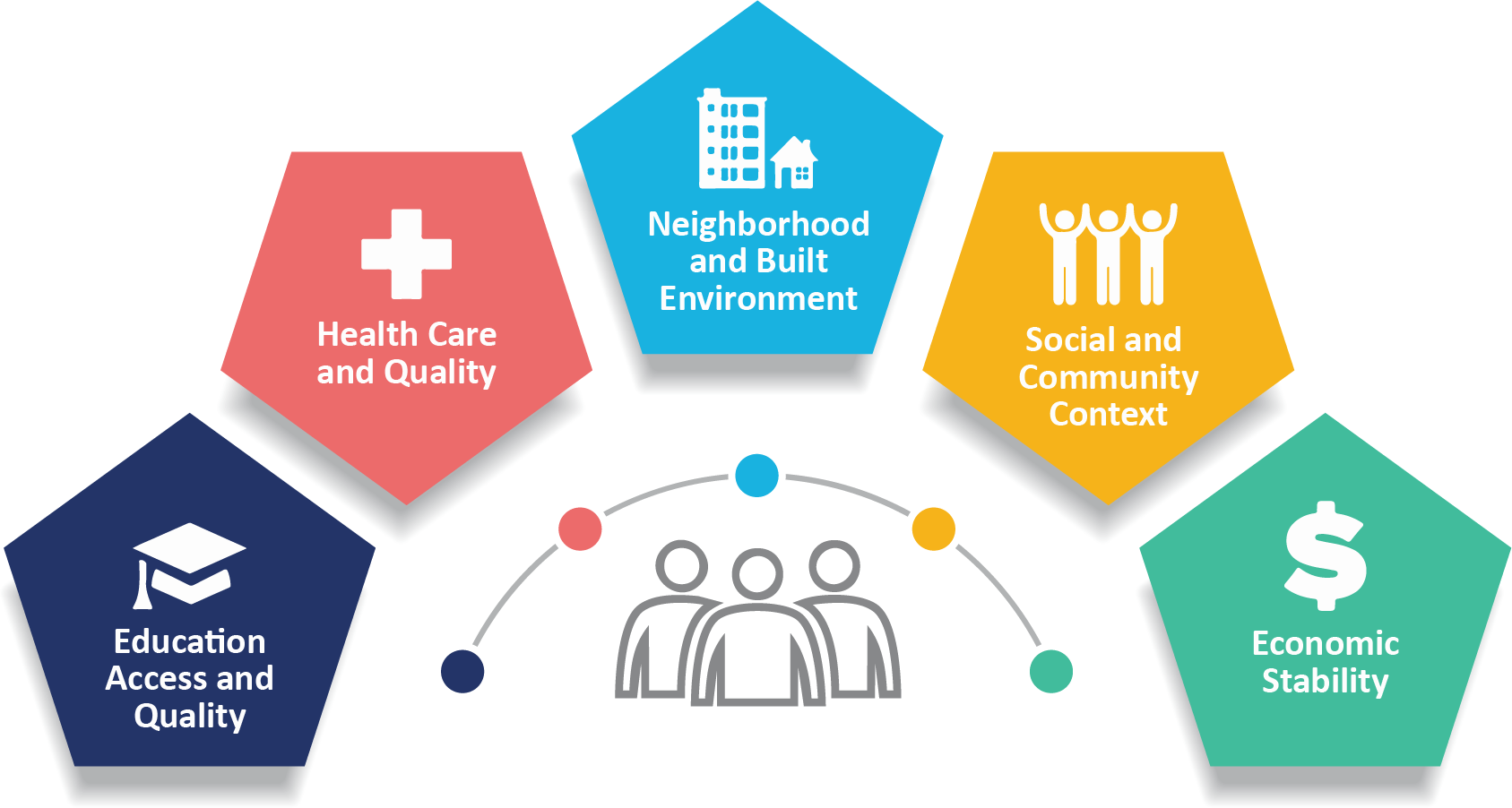
The quality of the physical environment directly impacts national longevity metrics. Exposure to toxic air pollutants, unsafe drinking water supplies, industrial waste, and rising climate instability degrades human health over long periods.
A. Air Quality and Industrial Emissions
High concentrations of fine particulate matter ($\text{PM}_{2.5}$) and industrial air pollution accelerate respiratory and cardiovascular diseases, shortening average human lifespans in industrialized and densely populated regions.
B. Water Quality and Sanitation Facilities
Clean drinking water access and proper sewage treatment eliminate waterborne pathogens like cholera, dysentery, and typhoid, which historically accounted for high mortality rates in vulnerable populations.
C. Climate Resilience and Extreme Weather
Increasing frequencies of extreme heatwaves, prolonged droughts, food supply disruptions, and flooding pose immediate threats to public safety and long-term nutritional health, particularly in developing zones.
Socioeconomic and Educational Status
Individual education levels and socioeconomic status heavily govern health literacy, occupational hazards, lifestyle choices, and nutritional awareness. Higher baseline education rates among adults—especially maternal education—directly correlate with decreased child mortality, higher uptake of preventive vaccinations, and healthier dietary habits.
Regional Disparities and Comparative Longevity Analysis
Looking at national statistics highlights stark regional variations across the global map, demonstrating how geography, history, and governance influence life expectancy outcome.
| Region / Classification | Average Lifespan Range | Primary Drivers of Longevity | Prevailing Challenges |
| High-Income Western Nations | 78 – 84 Years | Advanced medical technology, high per capita income, robust social safety nets. | Sedentary lifestyles, metabolic conditions, aging workforce demographics. |
| East Asia & Advanced Pacific | 81 – 86 Years | Healthy dietary patterns, universal health coverage, active senior lifestyle programs. | Declining birth rates, extreme population aging, eldercare strain. |
| Latin America & Caribbean | 72 – 77 Years | Expanding healthcare coverage, improved child survival measures. | Socioeconomic inequality, chronic disease proliferation, underfunded facilities. |
| South & Southeast Asia | 68 – 74 Years | Rapid economic expansion, improved sanitation, targeted immunization efforts. | High ambient air pollution, rural-urban health access gaps, dense urban crowding. |
| Sub-Saharan Africa | 60 – 67 Years | Targeted global aid programs, reduction in maternal mortality, infectious disease management. | Resource constraints, infectious disease burdens, fragile health infrastructure. |
Critical Challenges Impeding Further Lifespan Gains
While global health interventions have achieved major victories, several emerging threats jeopardize future gains in human longevity. Addressing these challenges requires strategic international cooperation and persistent funding allocations.
Non-Communicable Disease Epidemic
Non-communicable diseases (NCDs) represent the leading cause of death globally, accounting for tens of millions of fatalities annually. Unlike acute infections that present immediate symptoms, NCDs develop slowly over decades.
A. Cardiovascular Disorders
Ischemic heart disease, stroke, and arterial hypertension remain top global causes of premature death, driven largely by dietary factors, stress, smoking, and lack of exercise.
B. Metabolic Conditions and Diabetes
The global rise in obesity and type-2 diabetes strains national health systems, elevating risk profiles for kidney failure, amputations, and early death.
C. Oncological Pathologies
Cancer incidence continues to grow worldwide due to population aging, environmental toxins, and lifestyle risks, requiring expensive long-term treatments that test national budgets.
Antimicrobial Resistance Threat
The overuse and misuse of antibiotic agents in human medicine and industrial agriculture have accelerated antimicrobial resistance (AMR). Pathogens that once responded quickly to standard therapies are evolving into resistant superbugs, threatening to reverse decades of progress in surgical safety, cancer care, and infectious disease control.
Socioeconomic Inequality and Access Gaps
Deep economic divides within individual nations create significant lifespan discrepancies between high-income and low-income demographics. Disadvantaged populations frequently experience higher exposure to workplace hazards, poorer nutrition, unhygienic housing, chronic stress, and systemic barriers to medical care, resulting in measurable longevity gaps within the same borders.
Strategic Interventions for Long-Term Longevity Enhancement
To sustain upward lifespan trajectories and bridge regional disparities, international policymakers, national leaders, and health organizations must prioritize targeted strategic interventions.
A. Universal Health Coverage Expansion
Governments must build tax-funded or social insurance systems that guarantee equitable access to essential medical services without imposing catastrophic out-of-pocket costs on citizens.
B. Preventive Health Policy Integration
Shifting national healthcare models from reactive disease treatment to proactive prevention significantly reduces overall disease burdens. Public campaigns targeting smoking cessation, low-sodium diets, regular exercise, and early health screening deliver high returns on investment.
C. Environmental Health Protection
Enforcing strict limits on industrial emissions, investing in clean renewable energy sources, restoring urban green spaces, and safeguarding clean water reservoirs directly improves baseline public health metrics.
D. Elderly Care Infrastructure Development
As global populations age, nations must expand specialized geriatric care, rehabilitation centers, mental healthcare services, and home-based support systems to ensure added years are accompanied by independence and high quality of life.
Future Outlook: Aging Societies and Socioeconomic Adaptations
The global rise in average life expectancy, combined with declining fertility rates in many parts of the world, is reshaping population age structures. Nations face an unprecedented shift toward aging demographics, bringing distinct social, financial, and structural adjustments.
Economic and Labor Force Restructuring
An aging demographic reduces the traditional working-age population relative to retirees, creating potential fiscal pressures on pension systems and public healthcare funds. To adapt, economies are implementing structural changes:
A. Pension and Retirement Reform
Gradually adjusting retirement age thresholds and encouraging flexible, phased retirement arrangements help preserve pension solvency while keeping experienced talent in the workforce.
B. Automation and Labor Productivity
Leveraging advanced robotics, artificial intelligence, and automation allows businesses to maintain economic output even as working-age labor pools contract.
C. Lifelong Education and Skill Maintenance
Establishing mid-career training initiatives helps senior workers adapt to evolving technological environments and extend their productive careers.
Evolution of Public Health Systems
Healthcare models must adapt to meet the complex needs of older populations managing multiple chronic conditions simultaneously. Priority areas for health system evolution include:
A. Geriatric Medicine Integration
Expanding specialized training in geriatric care across nursing, general practice, and specialized medicine ensures aging populations receive tailored treatment.
B. Digital Health and Telemedicine
Deploying remote monitoring technology, wearable health devices, and virtual consultations enables seniors to receive consistent medical oversight from home, relieving burden on hospital facilities.
C. Community-Based Support Networks
Developing local social care initiatives, accessible public transit, and age-friendly housing reduces isolation and supports healthy independent living for seniors.
Conclusion
The global life expectancy report provides a comprehensive view of human resilience, technological advancement, and public health progress. While human longevity has increased across nearly every region over the past century, ensuring that these extended lifespans are paired with good health, independence, and economic security remains a major modern challenge. Addressing regional health disparities, tackling chronic disease burdens, combating environmental risks, and adapting infrastructure for aging populations will determine whether future generations continue to live longer, healthier lives worldwide.