
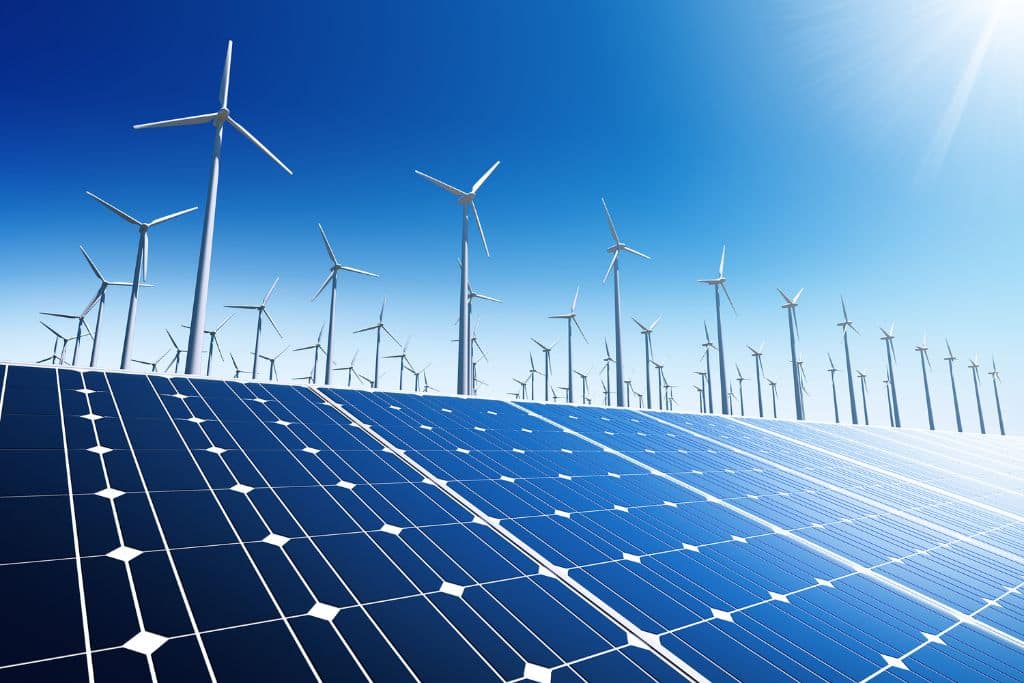
The global transition toward sustainable power generation is no longer a distant theoretical ambition; it is an active economic and ecological shift occurring across continents. As international regulatory pressure intensifies and fossil fuel reserves face continuous depletion, several nations have stepped forward to redefine energy consumption standards. These green energy leaders demonstrate that decarbonization can coexist with economic stability, public health improvements, and long-term energy independence.
This article explores the strategies, infrastructural investments, and technological breakthroughs adopted by the world’s most innovative clean energy nations. By examining their individual approaches ranging from geothermal harvesting to offshore wind development we gain critical insights into how the global community can build a resilient, zero-carbon grid.
The Imperative Shift Toward Renewable Energy Infrastructures
For decades, industrial expansion relied heavily on coal, crude oil, and natural gas. However, the economic volatility of fossil fuel markets, combined with the worsening impacts of global climate change, forced national governments to re-evaluate their long-term power generation models. Transitioning to renewable resources reduces national greenhouse gas emissions while simultaneously insulating domestic power supplies from international trade disruptions.
Modern energy grids are undergoing deep operational restructuring. The integration of high-efficiency solar panels, advanced wind turbines, biomass converters, and battery storage technology allows countries to rely less on traditional baseline generators. Furthermore, adopting clean energy attracts significant direct foreign investment, creates green-collar manufacturing jobs, and drives technical innovation across related industrial sectors.
Countries that initiated their clean power transitions early are now reaping both economic and environmental rewards. Electricity costs in nations powered by domestic renewables have stabilized, and their reliance on imported hydrocarbons has dropped significantly. Understanding the specific mechanisms behind these individual success stories provides a useful blueprint for developing economies seeking sustainable growth.
Pioneering Nations in Clean Energy Transition
A. Iceland: The Geothermal and Hydroelectric Powerhouse
Iceland stands as a prominent example of complete renewable power adoption. Situated on the geologically active Mid-Atlantic Ridge, the country leverages its natural geography to run its grid entirely on clean energy. Geothermal energy provides most of the direct heating for homes and buildings across the country, while hydroelectric power generated from glacial rivers supplies virtually all electrical generation.
Iceland’s transition was driven by economic necessity during the mid-20th century, when reliance on imported oil proved financially unsustainable. By investing early in geothermal drilling infrastructure and district heating systems, the country secured domestic energy independence while drastically lowering residential utility bills. Today, Iceland serves as a global testing ground for carbon capture, utilization, and underground mineralization projects.
B. Norway: Harnessing Hydropower for Domestic and Export Strength
Norway provides another model for sustainable energy management, generating nearly all of its electricity through a vast network of hydroelectric plants. The country’s mountainous topography and high annual rainfall create optimal conditions for run-of-river and reservoir-based hydro installations.
Despite being a significant producer and exporter of offshore natural gas and oil, Norway actively directs its energy revenues toward internal decarbonization. The nation leads global electric vehicle adoption rates per capita, backed by targeted tax incentives and a robust public charging network. Additionally, Norway utilizes its massive hydro storage capabilities as a regional energy buffer, exporting clean baseline power to neighboring European grids when inter-connector demand spikes.
C. Denmark: Pioneers of Offshore Wind Innovation
Denmark transformed its local energy landscape by prioritizing wind generation. Having minimal natural fossil fuel reserves, the nation invested heavily in wind turbine research, manufacturing, and deployment following the global energy crises of the 1970s. Today, onshore and offshore wind facilities account for more than half of Denmark’s total annual power generation.
The Danish strategy centers on community ownership models, long-term legislative commitments, and high-tech offshore installations. By installing large-scale turbine arrays in the North Sea, Denmark routinely generates excess power, which is sold into the broader Scandinavian grid. The country’s ongoing energy projects focus on constructing artificial energy islands designed to act as central hubs for offshore wind collection and green hydrogen conversion.
D. Costa Rica: Tropical Renewable Excellence
Costa Rica demonstrates that developing nations can achieve near-total grid decarbonization through strategic resource management. For several consecutive years, the Central American nation generated over 98% of its electricity from renewable sources primarily hydro, geothermal, wind, and biomass.
Costa Rica’s success stems from long-term public planning that tied environmental conservation directly to economic development. By banning oil extraction within its borders and reinvesting funds into forest preservation and watershed management, the government protected the natural water resources that power its hydroelectric stations. This integrated strategy safeguards local biodiversity while maintaining stable, low-carbon electricity prices for domestic consumers.
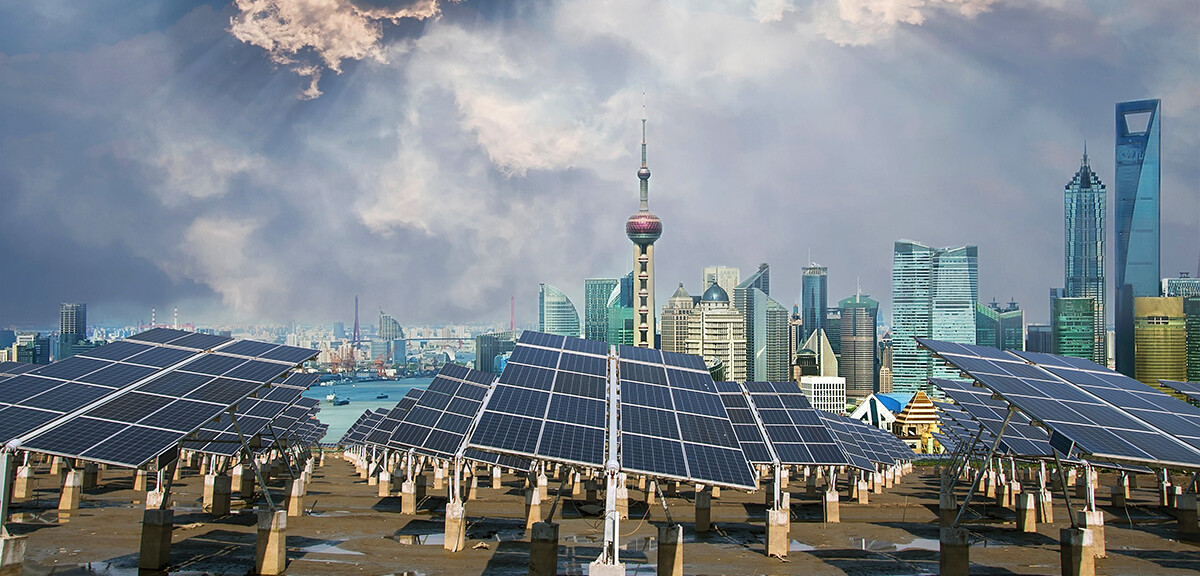
E. Uruguay: The Rapid Grid Transformation Standard
Uruguay offers one of the most remarkable clean energy turnarounds of the 21st century. In less than two decades, the nation shifted from importing fossil fuels to generating over 95% of its electricity from a combination of hydro, wind, solar, and agricultural biomass.
This transition was accomplished without relying on heavy government subsidies. Instead, Uruguay established clear regulatory frameworks, transparent bidding processes, and strong public-private partnerships that attracted private capital into wind farm development. As a result, the national energy grid is now diversified, resilient against localized droughts, and capable of regularly exporting clean energy to neighboring South American countries.
Key Drivers Behind Successful Green Energy Policies
A successful shift toward clean energy requires deliberate alignment across policy, technology, and economic incentives. Analyzing global leaders highlights common operational strategies that enable smooth grid transitions:
+-----------------------------------------------------------------------+
|                 PILLARS OF SUCCESSFUL ENERGY TRANSITION               |
+------------------------------------+----------------------------------+
| Policy & Regulatory Frameworks     | Long-term zero-carbon targets,   |
|                                    | feed-in tariffs, clear subsidies |
+------------------------------------+----------------------------------+
| Infrastructure Modernization       | Smart grid integration, high-    |
|                                    | voltage inter-connectors         |
+------------------------------------+----------------------------------+
| Storage & Balancing Tech           | Pumped-storage hydro, battery    |
|                                    | banks, green hydrogen setups     |
+------------------------------------+----------------------------------+
| Economic Incentive Structures      | Carbon pricing, tax relief for   |
|                                    | clean equipment adopters         |
+------------------------------------+----------------------------------+
A. Strategic Policy Frameworks and Clear Regulatory Targets
Nations that successfully green their grids maintain stable, bipartisan political commitments to clean energy development. Long-term decarbonization targets provide international investors and local utility companies with the market clarity needed to finance capital-intensive projects. Clear feed-in tariffs, carbon taxation mechanisms, and streamlined permitting processes significantly reduce the operational risk associated with building new solar, wind, or geothermal plants.
B. High Investment in Modern Infrastructure and Smart Grids
Renewable energy sources like wind and solar are inherently variable; wind speeds fluctuate and solar exposure drops at night. To manage these variable supply patterns, leading nations invest heavily in modernizing their transmission grids. Implementing smart-grid technology allows utilities to monitor demand real-time, redirect power dynamically, and incorporate micro-generation setups (such as rooftop solar panels) without destabilizing baseline voltage.
C. Advanced Energy Storage and Regional Inter-connectivity
Grid reliability depends heavily on baseline stability and storage capacity. Leading green nations address intermittent production by combining complementary energy types—such as using wind to preserve reservoir water behind hydroelectric dams during high-wind periods. Furthermore, cross-border transmission inter-connectors enable countries to export excess green power during production spikes and import supplementary energy during low-production periods, minimizing wasteful power curtailment.
Overcoming Key Challenges in Global Clean Energy Adoption
While clean energy expansion offers clear benefits, scaling these systems presents distinct technical, financial, and supply chain obstacles that policymakers must navigate:
A. Grid Stability and Intermittency Management
The transition away from coal and natural gas baseline generation requires alternative solutions for grid inertia and frequency regulation. When variable solar and wind sources form the primary supply, rapid weather shifts can create supply-demand mismatches. Resolving this challenge demands significant investment in grid-scale utility battery storage, pumped-storage hydro facilities, and demand-side management systems that incentivize heavy industrial users to adjust power usage during off-peak windows.
B. High Initial Capital Costs and Financing Barriers
Although solar and wind generation maintain lower long-term operating costs than fossil fuel generation, the upfront capital expenditure required for land acquisition, equipment procurement, and grid interconnection remains substantial. Developing economies frequently face higher borrowing costs, making the initial transition financially difficult despite long-term fuel savings. Mitigating these financial barriers requires international climate finance programs, multilateral development bank loans, and risk-guarantee structures to attract private capital.
C. Supply Chain Dependencies and Rare Material Sourcing
Modern clean technologies rely heavily on specific raw materials, including lithium, cobalt, nickel, copper, and rare-earth elements used in permanent magnets. Securing sustainable, ethical, and geographically diverse supply chains for these critical minerals is essential to prevent bottlenecking solar panel, wind turbine, and battery manufacturing schedules. Recycling initiatives and alternative battery chemistries (such as sodium-ion technology) are critical components in reducing long-term material dependence.
Economic and Environmental Benefits of the Green Transition
The transition toward renewable energy systems yields tangible, long-term returns across public health, domestic economic resilience, and industrial competitiveness:
+-----------------------------------------------------------------------+
|                    BENEFITS OF RENEWABLE ADOPTION                     |
+------------------------------------+----------------------------------+
| Environmental & Health Impact      | Drastic air pollution drops,     |
|                                    | lower respiratory health costs   |
+------------------------------------+----------------------------------+
| Economic & Employment Growth       | Local manufacturing, stable grid |
|                                    | installation & maintenance jobs  |
+------------------------------------+----------------------------------+
| National Energy Security           | Protection against volatile oil/ |
|                                    | natural gas import price hikes   |
+------------------------------------+----------------------------------+
A. Reduction of Greenhouse Emissions and Air Pollution
Replacing combustion-based power generation with clean sources directly cuts carbon dioxide and particulate matter emissions. Reduced urban smog leads to immediate improvements in regional air quality, directly lowering incidence rates of respiratory and cardiovascular conditions. The resulting decrease in national healthcare expenditures frequently offsets a significant portion of the initial infrastructure investments.
B. Job Creation and Industrial Modernization
The clean energy sector acts as a reliable driver of domestic employment. Unlike fossil fuel extraction, which is heavily automated and concentrated around specific geographical deposits, renewable projects—such as solar installations, wind turbine maintenance, and home electrification retrofits—generate local jobs across urban and rural regions alike. Countries that foster strong domestic clean-tech manufacturing sectors position themselves as prime exporters of green technologies.
C. Enhanced National Energy Sovereignty
Relying on imported hydrocarbons leaves national economies vulnerable to international fuel market volatility and supply chain disruptions. Generating electricity from domestic natural assets—such as sun, wind, water, and geothermal heat—ensures long-term energy sovereignty. This economic stability allows businesses and households to operate with predictable long-term utility expenses.
Future Trends Shaping the Global Clean Power Landscape
As technology advances, the next phase of the global clean energy transition will extend beyond primary power generation into industrial processes, transport networks, and long-duration storage:
A. The Expansion of Green Hydrogen Production
While electricity accounts for a major portion of global energy usage, heavy industrial operations—such as steelmaking, cement production, shipping, and chemical manufacturing—are difficult to decarbonize using direct electrification alone. Green hydrogen, produced through water electrolysis powered by surplus renewable electricity, offers a versatile zero-emission fuel alternative to replace fossil inputs in these hard-to-abate heavy industries.
B. Implementation of Artificial Intelligence in Grid Management
Integrating artificial intelligence and machine learning algorithms into grid operations improves predictive management of variable power production. By processing real-time satellite weather forecasts, historical usage trends, and industrial demand patterns, AI-driven management systems can forecast renewable output with high precision, automatically adjusting energy storage reserves and balancing grid loads to prevent localized blackouts.
C. Scaling Offshore Floating Energy Systems
Land availability limits the deployment of onshore solar and wind installations in densely populated coastal regions. To bypass geographical constraints, clean energy developers are scaling floating solar platforms on calm water reservoirs and deploying deep-water floating offshore wind turbines. These installations access stronger, more consistent open-ocean wind currents, unlocking high-capacity renewable power production near major coastal metropolitan centers.

A Strategic Path Forward for Nations Building Clean Grids
Achieving a clean energy system requires tailored strategies adapted to each nation’s unique geographic, economic, and industrial conditions. Developing a long-term roadmap involves several structured steps:
-
Comprehensive National Asset Assessment: Governments must thoroughly evaluate local natural resources—identifying prime corridors for solar radiation, onshore/offshore wind speeds, geothermal gradients, and hydroelectric flow potential.
-
Regulatory and Market Reform: Policymakers should establish transparent legal frameworks that encourage private sector participation, simplify land-use permitting, and eliminate fossil fuel subsidies.
-
Targeted Transmission and Storage Investments: Utility planners must prioritize grid modernization—expanding high-voltage transmission lines to connect remote renewable generation sites directly to urban demand centers.
-
Workforce Re-skilling Programs: Educational institutions and vocational programs should offer training tailored to green technology installation, grid engineering, and system maintenance to ensure a smooth labor transition.
-
Regional Energy Integration: Building cross-border interconnectors and participating in regional power-sharing agreements enhances grid stability and prevents resource waste during high-production windows.
Summary of Global Green Energy Leaders
To illustrate how different geographic and economic strategies yield success, the table below summarizes the core energy mixes, primary technologies, and defining strategic choices of leading green power nations:
| Country | Primary Clean Power Sources | Share of Clean Generation | Key Strategy & Distinct Advantage |
| Iceland | Geothermal, Hydroelectric | ~100% | Leverages volcanic ridge geography for direct heating and power generation. |
| Norway | Hydroelectric, Onshore Wind | ~98% | High reservoir capacity; exports clean power and leads in electric mobility. |
| Denmark | Offshore Wind, Biomass | >80% | Early wind innovation hub; pioneering North Sea artificial energy islands. |
| Costa Rica | Hydroelectric, Geothermal, Wind | >98% | Links forest watershed protection directly to hydro asset management. |
| Uruguay | Wind, Hydroelectric, Biomass | >95% | Rapid policy transformation attracting private investment without subsidies. |
Conclusion
The achievements of global clean energy leaders demonstrate that transitioning away from fossil fuels is technically viable, economically advantageous, and essential for long-term ecological sustainability. Whether through Iceland’s geothermal utilization, Denmark’s offshore wind expansion, or Uruguay’s rapid grid restructuring, these nations prove that clear political direction combined with strategic infrastructure investment yields resilient, low-carbon energy systems.
As renewable energy technologies mature and initial equipment costs continue to fall, clean energy transition frameworks will become increasingly accessible to nations worldwide. By adopting these established practices prioritizing grid modernization, establishing stable regulatory frameworks, and integrating advanced storage systems countries can secure clean, self-sufficient, and cost-effective energy for generations to come.