
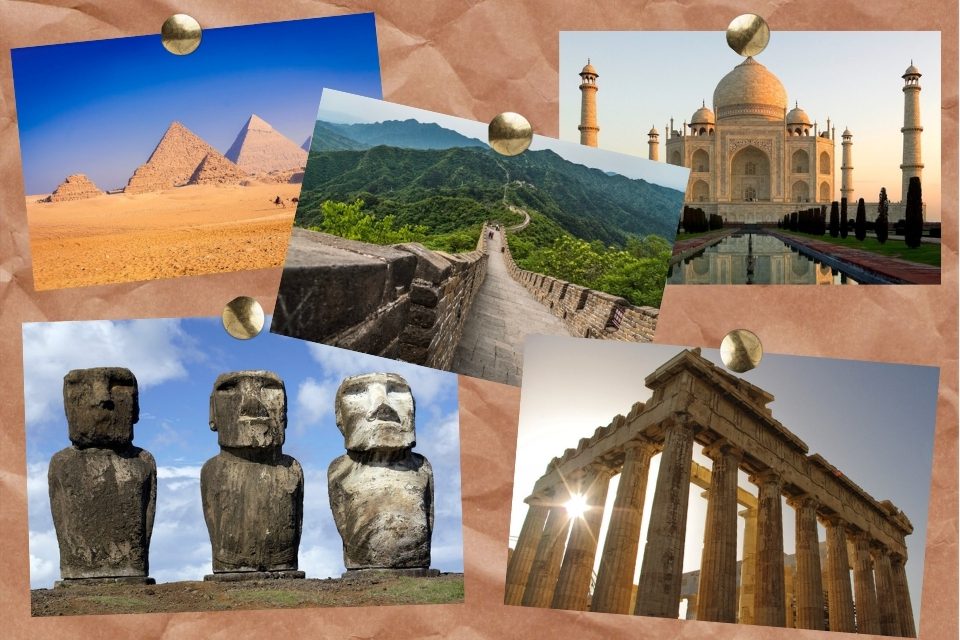
Cultural heritage tourism is undergoing a massive transformation worldwide. Travelers are no longer satisfied with brief surface-level sightseeing; they actively seek deep immersion, rich storytelling, and high-tech experiences when visiting historical sites. The concept of Old Nations Modern Heritage Tourism bridges ancient history with modern traveler expectations. By combining ancient architecture, traditional customs, and centuries-old culture with modern infrastructure, interactive technologies, and sustainable practices, historical destinations are creating high-value experiences for modern global travelers.
This comprehensive guide explores how historic nations preserve their ancient identities while leveraging contemporary tourism practices to thrive in the modern global economy.
1. Defining Modern Heritage Tourism in Ancient Civilizations
Modern heritage tourism represents a refined synthesis of historical preservation and contemporary visitor experience management. Rather than presenting static exhibits or isolated ruins, historic nations present their living culture, urban architecture, and historical evolution through dynamic, multifaceted touchpoints.
Historic preservation in the current digital era goes far beyond simple physical conservation. Modern heritage destinations integrate sustainable community tourism, state-of-the-art museum design, interactive spatial mapping, and highly trained local storytellers to build meaningful connections with international visitors.
+-------------------------------------------------------------------+
|               MODERN HERITAGE TOURISM ECOSYSTEM                   |
+-------------------------------------------------------------------+
|  [Physical Assets]   +  [Digital Innovation]  + [Local Culture]   |
|  - Ancient Ruins        - Augmented Reality       - Local Artisans |
|  - Historic Castles     - Smart Transportation    - Gastronomy     |
|  - Protected Sites      - Virtual Exhibits        - Traditions     |
+-------------------------------------------------------------------+
                                  |
                                  v
+-------------------------------------------------------------------+
|        ENHANCED VISITOR EXPERIENCE & LONG-TERM CONSERVATION       |
+-------------------------------------------------------------------+
Understanding this evolution requires examining key factors that distinguish traditional tourism from today’s modern heritage model:
A. Authentic Storytelling: Modern heritage travel focuses on authentic narrative structure rather than commercialized or exaggerated myths.
B. Technological Integration: Augmented reality (AR), virtual reality (VR), and spatial audio bring ancient archaeological sites to life without compromising physical structures.
C. Environmental Sustainability: Site management policies prevent over-tourism, control daily visitor limits, and protect vulnerable historical monuments.
D. Community Empowerment: Local communities directly benefit economically through heritage craft workshops, local culinary experiences, and guided historical tours.
2. Global Case Studies: How Historic Nations Adapt
Nations with deep historical roots have successfully adapted their historic assets for the modern international traveler. By balancing preservation with economic sustainability, these countries set the standard for global cultural tourism.
A. Rome, Italy: Balancing Antiquity with Urban Infrastructure
Rome stands as one of the world’s most prominent examples of an ancient national identity operating inside a bustling modern metropolis. Managing millions of visitors around sites like the Colosseum, the Roman Forum, and the Pantheon requires sophisticated infrastructure.
Recent modernizations include pedestrianized historic districts, digitized ticketing systems that mitigate crowded queues, and underground metro construction engineered specifically to preserve undiscovered archaeological layers beneath the modern street surface.
B. Kyoto, Japan: Protecting Living Traditions
Kyoto illustrates how an ancient imperial capital maintains delicate cultural traditions amid high visitor volume. Local authorities have introduced strict architectural codes, smart crowd-monitoring apps, and designated cultural preservation zones to maintain the peaceful atmosphere of historical districts like Gion and Arashiyama.
Japan integrates high-speed rail transportation and contactless payment systems directly into historical regions, allowing tourists to travel seamlessly between high-tech cities and tranquil historical temples.

C. Cairo and Luxor, Egypt: Mega-Projects and Monumental Exhibits
Egypt has transformed its heritage tourism sector by constructing world-class modern facilities designed to showcase ancient treasures safely and dramatically.
The Grand Egyptian Museum (GEM) near the Giza Pyramids represents one of the largest modern archaeological museum complexes on earth. By moving historical artifacts into climate-controlled, high-security modern facilities, Egypt protects its ancient physical history while providing a high-capacity, interactive visitor experience.
3. Top Historic Nations Leading the Modern Heritage Movement
Several countries stand out for their innovative approaches to showcasing ancient history to contemporary travelers. Below is a comparative overview of key global leaders in heritage tourism modernization:
| Country | Key Historic Assets | Primary Modern Heritage Innovation | Visitor Experience Focus |
| Italy | Roman Empire ruins, Renaissance architecture, historical centers | Smart ticketing, AR historical reconstruction, micro-mobility | Urban walkability, architectural appreciation, culinary history |
| Japan | Feudal castles, Shinto shrines, imperial gardens | Smart crowd monitoring, high-speed rail access, digital audio guides | Living culture, traditional crafts, quiet travel |
| Egypt | Pyramids, ancient temples, royal tombs | Grand scale modern museums, light and sound laser projection | Monumental history, educational immersive displays |
| Greece | Classical Greek temples, ancient agora sites | Eco-friendly monument conservation, digital spatial mapping | Classical philosophy, outdoor museum walking tracks |
| Peru | Incan fortresses, high-altitude ancient cities | Strict daily capacity controls, eco-certified trekking permits | Indigenous history, adventure heritage, ecological preservation |
4. Key Pillars of Successful Heritage Destination Management
Developing a sustainable heritage tourism strategy requires balancing multiple competing demands. Destination managers, municipal governments, and private operators focus on core operational pillars to ensure long-term success.
                     [ Heritage Site Management ]
                                  |
         +------------------------+------------------------+
         |                        |                        |
         v                        v                        v
  ( Preservation )        ( Visitor Flow )        ( Local Economy )
  - Climate controls      - Time-slotted entry    - Fair artisan pay
  - Restoration tech      - Smart shuttle routes  - Local supply chains
  - Structural monitoring - Pedestrian zones      - Cultural workshops
The fundamental pillars driving this sector include:
A. Advanced Structural Preservation: Utilizing laser scanning, structural sensors, and non-destructive restoration techniques to maintain aging brick, stone, and mortar monuments.
B. Smart Visitor Flow Management: Implementing timed-entry passes, digital queueing apps, and dynamic pricing strategies to distribute crowd density evenly across operating hours.
C. Local Economic Integration: Ensuring tourism revenue directly supports local artisans, historical researchers, regional farmers, and traditional hospitality providers.
D. Educational Immersion: Crafting clear, multilingual interpretive displays, interactive educational apps, and expert-led guided experiences to enrich visitor understanding.
5. Technological Innovations Transforming Heritage Travel
Technology is a vital driver in making ancient history accessible and engaging for modern generations. Far from replacing physical travel, smart technologies enrich visitor engagement before, during, and after site visits.
+----------------------------------------------------------------------+
|                     HERITAGE TRAVEL TECH STACK                       |
+----------------------------------------------------------------------+
|  PRE-VISIT        | Virtual 3D Previews, Online Masterclasses        |
|-------------------|--------------------------------------------------|
|  ON-SITE          | AR Historical Overlay, GPS Spatial Audio Guides  |
|-------------------|--------------------------------------------------|
|  POST-VISIT       | Digital Archival Access, Interactive Content     |
+----------------------------------------------------------------------+
Key technological implementations include:
A. Augmented Reality Overlays: Smartphone applications and specialized headset displays allow visitors to view historical reconstructions directly over ruined structures in real time.
B. 3D Laser Mapping and Archiving: High-precision LiDAR scanning creates digital twins of ancient sites, protecting historical data against natural disasters or degradation.
C. GPS-Triggered Spatial Audio Guides: Interactive audio applications track a traveler’s movement through historical quarters, triggering context-aware historical stories and soundscapes naturally.
D. Contactless and Smart Access Systems: Biometric scanning, mobile ticketing, and digital city passes streamline access to multi-site historical zones without physical ticket lines.
6. Sustainable Tourism Practices for Historic Destinations
Over-tourism poses a real threat to fragile historic monuments and native communities. Managing site fatigue requires a comprehensive strategy focused on long-term ecological and cultural preservation.
Sustainable management strategies applied across leading heritage sites include:
A. Strict Visitor Limits: Implementing firm daily cap limits on fragile sites prevents excessive foot traffic wear on ancient stonework and floor mosaics.
B. Carbon-Neutral Local Transport: Replacing traditional diesel buses with electric shuttles, cable cars, and expanded pedestrian pathways within historical inner cities.
C. Single-Use Plastic Bans: Enforcing strict zero-plastic regulations around archaeological parks to eliminate litter and protect local ecosystems.
D. Off-Peak Season Marketing: Promoting winter and shoulder-season visits to spread economic benefits evenly throughout the year while reducing high-season strain.
7. How Travelers Can Responsibly Experience Modern Heritage Sites
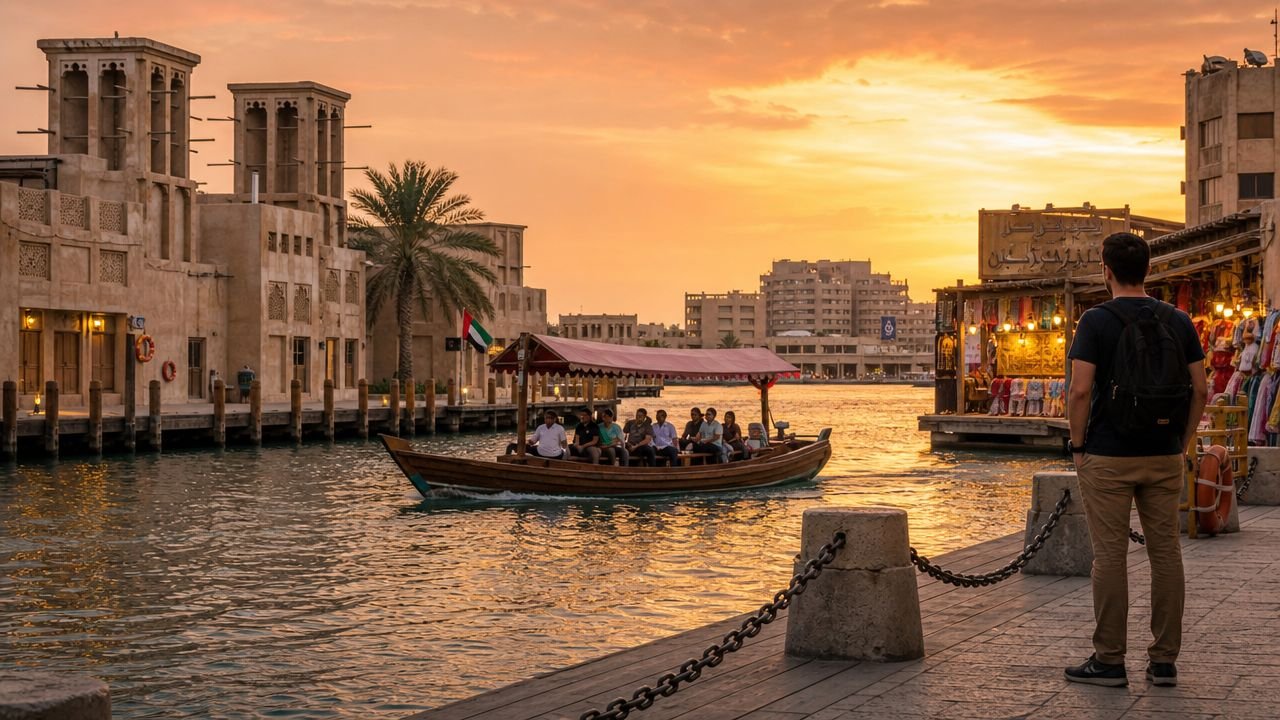
Travelers play a crucial role in preserving historic sites for future generations. Engaging in cultural tourism requires mindfulness, respect, and careful planning.
                      [ RESPONSIBLE HERITAGE TRAVEL ]
                                     |
    +--------------------------------+--------------------------------+
    |                                |                                |
    v                                v                                v
[ Plan Early ]              [ Support Local ]              [ Protect Sites ]
- Book official permits     - Hire local certified guides  - Follow designated paths
- Visit during off-peak     - Buy direct from artisans     - Respect photography rules
To maximize travel experiences while supporting local preservation, visitors should follow practical steps:
A. Book Permits and Tickets Early: Many popular historic sites require advance reservations months ahead due to strict daily entry caps.
B. Hire Licensed Local Guides: Supporting certified local historians guarantees accurate cultural context while directly funding the local economy.
C. Respect Site Integrity: Refrain from touching ancient masonry, stay strictly on designated footpaths, and obey site-specific photography guidelines.
D. Explore Lesser-Known Historical Zones: Visiting secondary heritage sites outside major capital cities helps reduce urban congestion and spreads economic benefits to rural communities.
8. Essential Checklist for Planning a Cultural Heritage Trip
Proper preparation ensures a smooth, enriching historical travel experience. Use this practical step-by-step checklist when planning your next heritage-focused itinerary:
-
[ ] Research Historical Context: Read background literature or watch historical documentaries about the destination before arriving.
-
[ ] Verify Site Operating Hours & Permits: Check official government heritage portals for maintenance schedules, entry restrictions, and reservation requirements.
-
[ ] Download Official Heritage Apps: Install local transport, AR site guide, and offline map applications on your mobile device.
-
[ ] Pack Appropriate Attire: Bring modest clothing suitable for visiting active religious structures, along with durable, high-traction walking footwear for uneven cobblestones and ancient steps.
-
[ ] Arrange Licensed Local Transport: Organize train passes, official eco-shuttles, or verified local drivers to navigate historic regions safely.
-
[ ] Support Authentic Local Businesses: Identify local craft cooperatives, historic family-owned eateries, and official cultural workshops to include in your daily budget.
Conclusion: The Future of Global Heritage Travel
Old nations modern heritage tourism proves that ancient history and modern living can coexist harmoniously. By utilizing modern technology, implementing sustainable crowd management policies, and supporting local communities, historic destinations ensure their rich legacies remain vibrant, protected, and accessible to generations of travelers to come.